
Met House Painters of Salt Lake City
- 650 S Main St, Salt Lake City, UT 84101
- Locally owned & operated — not a franchise
House Painters in Poplar Grove
Hiring house painters in Poplar Grove means hiring someone who knows how to work on an old house. This is the oldest part of Salt Lake City’s west side, with brick cottages and bungalows from the 1880s through the 1920s, and most of the paint on them was first applied long before lead was taken out of the can.
Met House Painters is based at 650 S Main St, a few minutes east of Poplar Grove across I-15. We bring lead-safe prep, careful trim work and honest advice to homes from North Temple down to the 9 Line Trail.
House painters in Poplar Grove start with lead-safe prep
Roughly 20,000 homes in Salt Lake City were built before 1940, and nearly all of them were painted with lead-based coatings at some point. In Poplar Grove that describes most of the neighborhood. Under the EPA’s Renovation, Repair and Painting rule, any contractor who disturbs old paint on a pre-1978 home has to use lead-safe practices, and for us that isn’t optional.
In practice it means we contain the work area with plastic, wet-scrape or use HEPA-shrouded sanders instead of dry grinding, never burn paint off with a torch, and clean up with HEPA vacuums every day. Chips don’t end up in your flower beds or your kids’ sandbox.
It takes longer than slapdash prep, and it’s worth asking any painter you interview exactly how they’ll handle it.
The oldest homes on the west side
Poplar Grove was a working-class neighborhood from the start, named for a stand of poplars the Rushton family planted in the late 1800s. The housing reflects that history: brick cross-wing cottages and Victorian Eclectic houses from the 1880s and 1890s, brick bungalows and Craftsman-influenced homes with deep front porches from the 1900s through the 1920s, then 1940s and 1950s minimal-traditional and ranch infill toward Redwood Road.
Unlike the Avenues or Central City, Poplar Grove has no historic district, so there’s no design review to navigate. That’s freedom, but it also means the stewardship falls on owners. The painted wood here is the character: porch columns, exposed rafter tails, beadboard porch ceilings, window casings and original wood sash.
Our rule for the brick doesn’t change: if it has never been painted, it stays that way.
Interior painting in a century-old Poplar Grove home
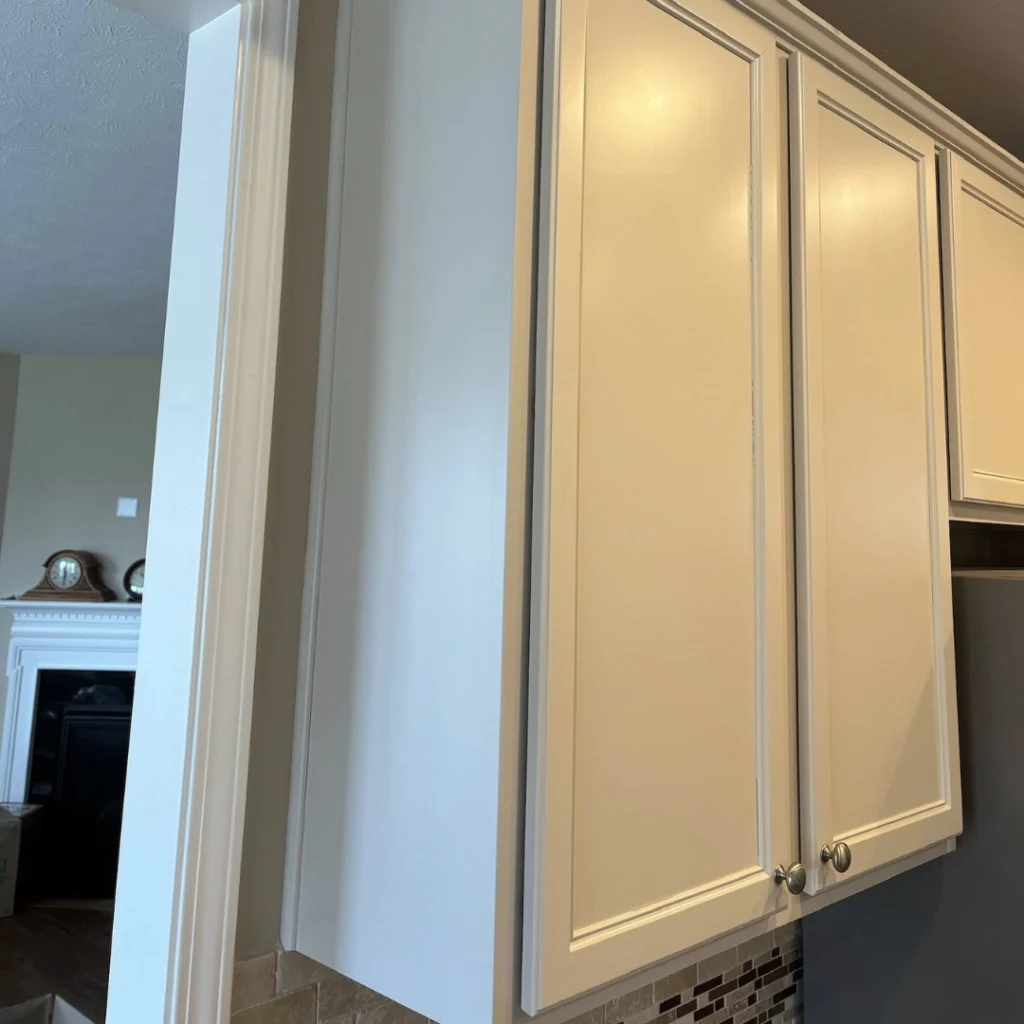
Inside, old west-side homes have plaster walls, tall baseboards and often decades of paint on built-ins and doors. Plaster needs patching with the right materials, not a quick smear of drywall mud, and hairline cracks that follow the lath get taped and skimmed so they don’t telegraph through the new finish.
Some homeowners strip paint from original fir trim; more often they repaint it in a hard enamel that holds up to daily use. Either way, our interior painting crews protect your floors and furniture and keep the work contained room by room so you can live in the house while we work.
Rental owners along 800 and 1000 West get the same care on a faster schedule; our full-service painting page covers whole-house projects.
Thinking about a project in Poplar Grove? Get a clear, written proposal from a local crew.
Why Poplar Grove families choose Met House Painters
We’re locally owned and operated, not a franchise, and Poplar Grove is the kind of neighborhood where a neighbor’s referral carries more weight than any ad. Homeowners here count on us for:
- Lead-safe practices on every pre-1978 home, with containment and cleanup built into the schedule.
- Respect for original woodwork. We repair and prime rather than tear out and replace whenever the wood is sound.
- Plain-language scope. Every surface, product and coat count written down before we start.
- Repairs before paint. Rotted porch flooring, loose column bases and failed glazing get fixed first.
- A neighborhood crew. Our shop is minutes away, so questions and touch-ups get handled quickly.
The river, the trees and the inversion
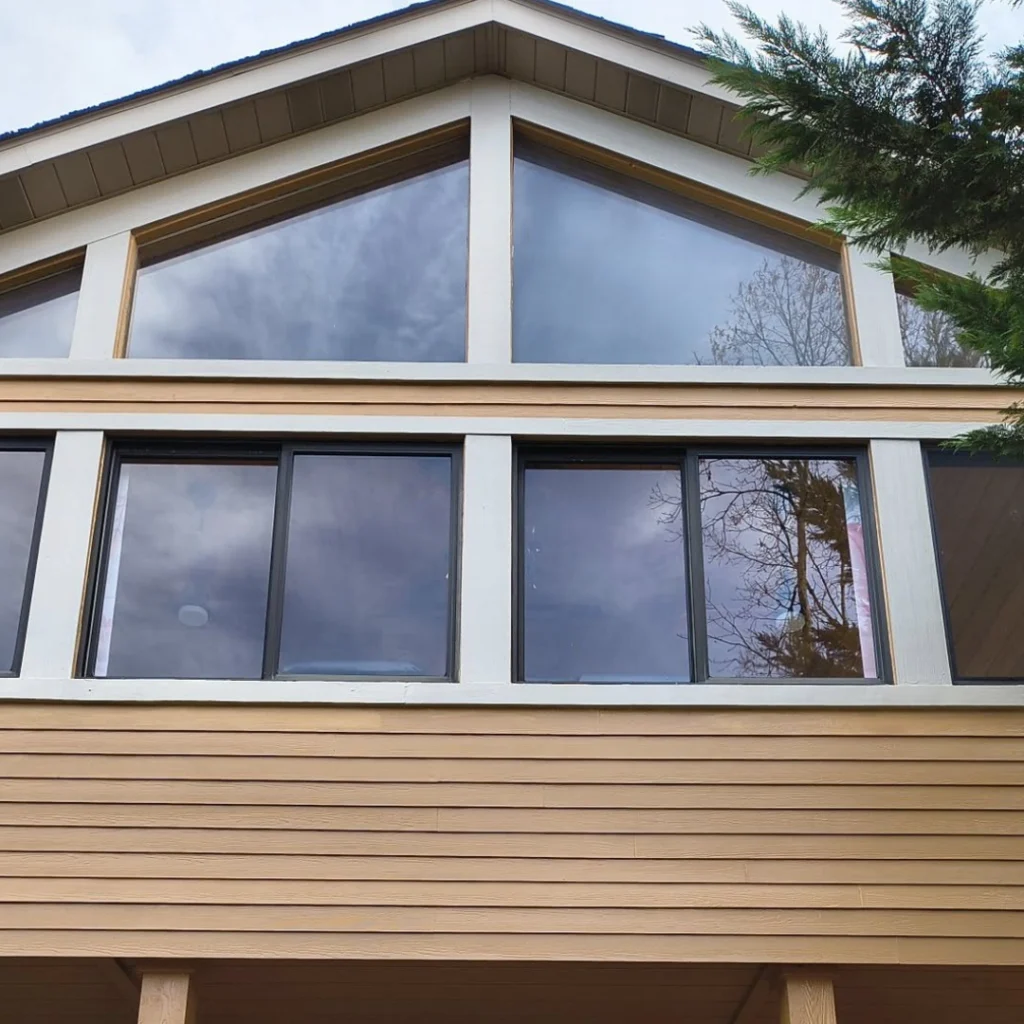
Poplar Grove sits on the valley floor near the Jordan River, under mature trees on its older streets. Shade helps paint on south and west walls last, but it slows drying on the north side and encourages mildew where porches stay damp. We wash and treat those areas before priming.
Winter inversions leave a sooty film on everything, and freeze-thaw swings open up joints around hundred-year-old window casings. We re-caulk every seam with a flexible sealant and schedule exterior work from late spring through early fall so coatings cure properly.
The process is straightforward: a free consultation and written scope, a wash and dry day, lead-safe scraping and sanding, priming, repairs, two coats of premium acrylic, and a final walk-through with you. Neighbors in Glendale get the same treatment on their post-war brick.
Frequently asked questions
How do I know if my Poplar Grove home has lead paint?
If it was built before 1978, assume it does somewhere, and homes built before 1940 almost certainly do. We treat every older home as lead-containing and follow EPA lead-safe practices, so you don’t need a test before we start.
Can you repair my porch before painting it?
Yes. Soft porch flooring, loose columns, cracked beadboard ceilings and failed glazing are common on 1900s to 1920s homes, and we’d rather fix them than paint over them. Carpentry repairs are listed separately in the scope.
Do I need any city approval to repaint?
No. Poplar Grove isn’t in a local historic district, so there’s no design review of exterior work or colors. The one thing we’ll still advise is to leave unpainted brick unpainted, for the health of the masonry rather than any rule.
Can you work while we're living in the house?
Yes. We go room by room, seal off the work area and clean up each day. For families with young children we’re especially careful about containment on any surface with old paint.
How far is Poplar Grove from your shop?
We’re at 650 S Main St downtown, a few minutes east across I-15. We’re on 900 West and North Temple regularly, so consultations and follow-up visits are easy.
Also serving nearby neighborhoods
Give your old house the care it deserves
Call (385) 469-5010 or request a free consultation and we’ll look at the house together.