Met House Painters of Salt Lake City
- 650 S Main St, Salt Lake City, UT 84101
- Locally owned & operated — not a franchise
House Painters in The Avenues
Met House Painters of Salt Lake City paints Victorian, Queen Anne, and early-1900s homes throughout The Avenues, from the lower-avenue streets near South Temple to the bench blocks around 11th Avenue. Many of these homes have more than a century of paint on their porches, gables, and window trim, and most of it predates 1978, so the prep needs to be lead-aware from the start. Since 2010, our crew has learned that in The Avenues, repairing the woodwork matters as much as choosing the colors. Steep streets, deep winter shade, and strong summer sun all affect when and how each side of the house gets painted.
Met House Painters is based at 650 S Main St, a few minutes down the hill. We wrote a full guide to painting historic homes in The Avenues if you want more than this page.
Victorian millwork and the brick it sits on
The lower avenues are Victorian-era: Queen Anne, Italianate and Victorian Eclectic houses, brick cottages and early apartment buildings. Climb toward 9th Avenue and you add foursquares, Prairie-style homes and bungalows. The city considers this the most significant neighborhood in Utah for documenting residential architecture from the late 1860s on, with more than a hundred architect-designed homes.
For a painter, that history means layers. Old oil paint under newer latex, porch columns with a dozen coats, spindlework that traps water, soffits where the last crew stopped scraping. We take trim back to a sound surface, replace rotted pieces, spot-prime bare wood and build two full coats with a brush.
The brick itself usually stays bare. Painting never-painted historic brick traps moisture and is strongly discouraged by the city. Previously painted brick is a different conversation, and we’ll have it on site.
Living in a local historic district
The Avenues has been a Salt Lake City local historic district since 1978 and a National Register district since 1980. The overlay means exterior alterations need a Certificate of Appropriateness, but paint color is specifically exempt. You can choose your palette without a hearing.
Where the rules touch a paint project is in what sits around the paint. Replacing trim with a different profile, changing a porch railing or enclosing something can need review. We flag those items in the proposal so you know what’s maintenance and what needs a form.
Many homeowners want historically sympathetic colors anyway: a body color, a trim color and an accent on sash and doors. We’ll paint samples on the house so you can judge them in the light of your block.
Canyon winds, bench snow and tall downhill walls
The Avenues climbs the lower slope of the Wasatch, so the upper streets sit several hundred feet above downtown. That buys more snow, stronger UV and a direct line to the easterly downslope winds out of City Creek and Emigration canyons. The September 2020 windstorm hit this neighborhood as hard as anywhere in the city.
Steep lots change the work. A house that looks like two stories from the street can be three on the downhill side, and we plan ladder and scaffold access before quoting.
South and west elevations fade and chalk first; shaded north walls and porch ceilings hold moisture through freeze-thaw. We adjust prep and product by elevation rather than treating the house as one surface. Our exterior painting page covers the May-to-October schedule.
Thinking about a project in The Avenues? Get a clear, written proposal from a local crew.
Why Avenues homeowners choose Met House Painters
Met House Painters is locally owned and operated, not a franchise, and Avenues homes are the work our painters like best. What our neighbors up the hill tell us matters:
- Hand-brushed trim. Spindles, brackets and sash get a brush, not a quick spray that fills the detail.
- Lead-safe practices on pre-1978 wood: containment, no open-flame removal, no uncontained power sanding, careful cleanup.
- Historic-district fluency. We know what’s exempt and what needs the city, and we say so up front.
- Licensed and insured crews comfortable on steep lots and tall elevations.
- A short drive away for samples, questions and touch-ups.
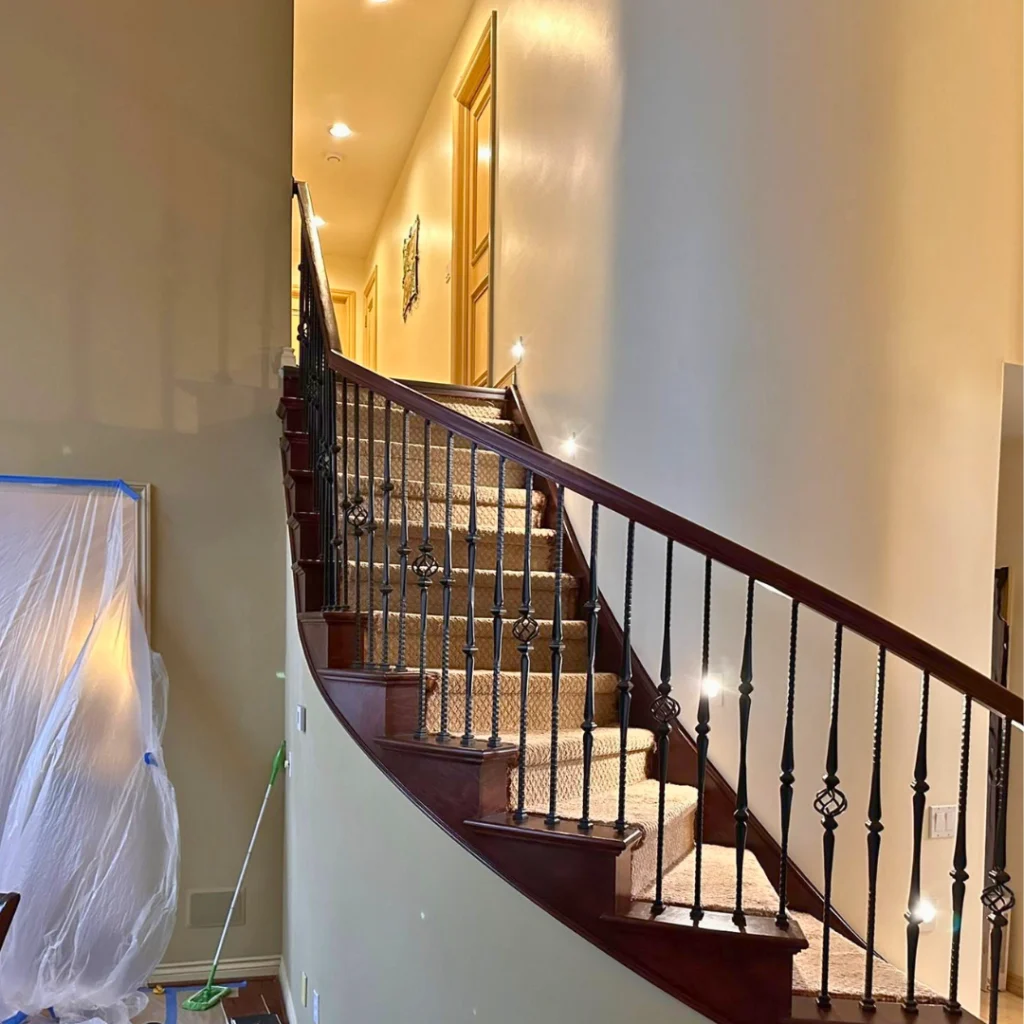
Interiors here, with plaster, picture rail and tall baseboards, are their own specialty; see our interior painting page.
How house painters in The Avenues handle an exterior project
We start with a free consultation, walking every elevation and noting rot, failed caulk, open joints and where paint is letting go. You get a written scope that lists carpentry separately, so you can see what’s paint and what’s repair.
Work begins with a gentle wash, never high pressure on old brick or soft wood. Then scraping and sanding to a feathered edge, wood repairs, priming of bare spots and rusted nail heads, and new caulk at every seam. Two coats of premium acrylic follow, brushed on trim.
We aim for dry stretches and avoid wind-prone afternoons when we can. At the end we walk the house together and fix anything that doesn’t meet your eye. Across City Creek, our Capitol Hill page covers the neighborhood’s older cousin.
Frequently asked questions
Do I need city approval to change my house color in The Avenues?
No. The Avenues is a local historic district, but paint color is exempt from the Certificate of Appropriateness process. Other exterior changes, such as replacing trim with a different profile, may need review, and we’ll point those out before work starts.
How do you handle the ornate trim on a Victorian?
By hand. We scrape and sand to a sound edge, replace rotted pieces, spot-prime and brush two coats so the detail stays crisp. Spraying ornate millwork fills the profiles and leaves thin spots.
My house is from the 1890s. Is lead paint a concern?
Almost certainly some layers contain lead. We use lead-safe work practices on pre-1978 homes, including containment, wet methods, no open-flame removal and a thorough cleanup.
When should I schedule an exterior repaint in The Avenues?
Late spring through early fall, and the bench’s extra snow means we often start a little later here than on the valley floor. Book early; the dry-weather window fills quickly.
Do you paint the apartment buildings in the lower avenues?
Yes. Many early-1900s walk-ups near South Temple need exterior trim, stairwell and unit work, and we handle those alongside the single-family homes.
What does a typical Avenues porch need before it’s painted?
Most need more than scraping. Old porch floors, railings, and column bases often have soft wood where water has collected for decades, and those spots should be repaired or replaced before priming. Joints between the floor boards, posts, and railings also need to be sealed so snowmelt can’t get back in.
Do you paint the interiors of Avenues homes?
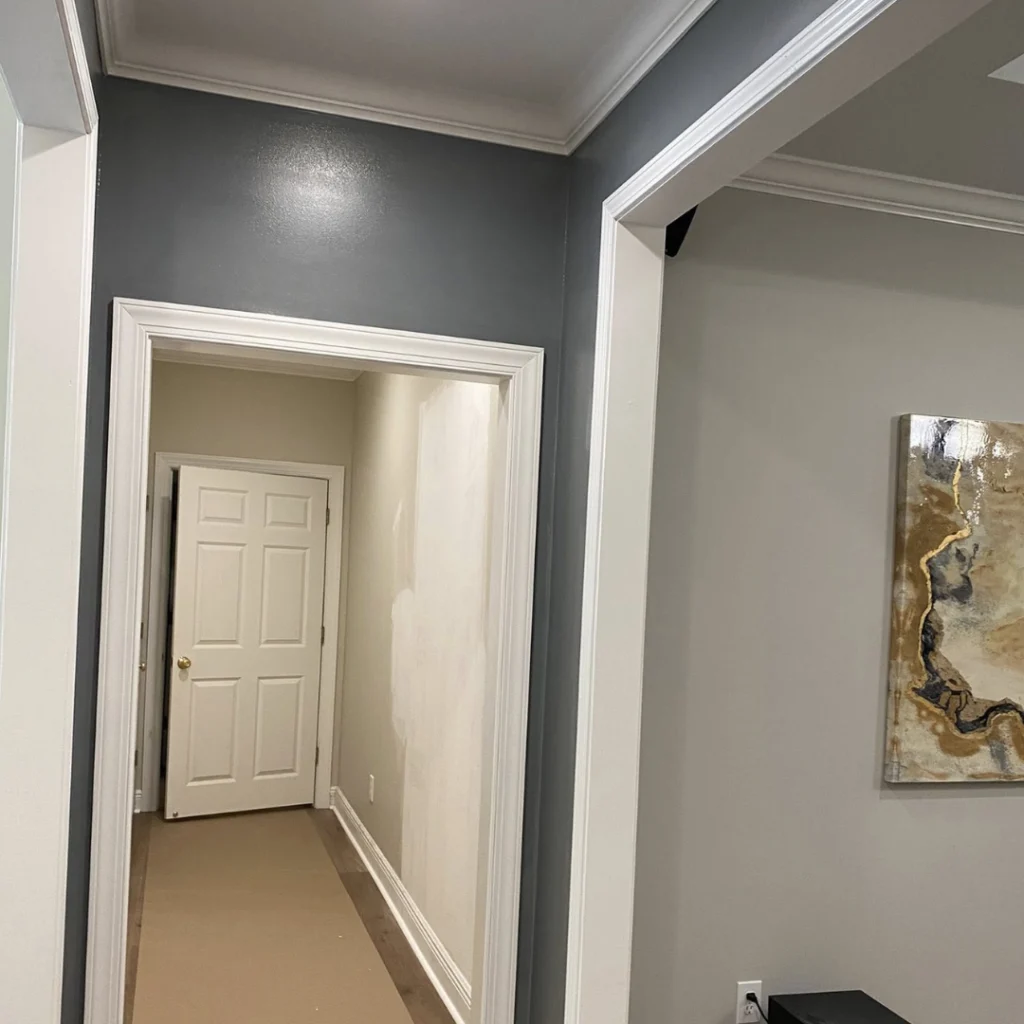
Yes. Avenues interiors often have original plaster walls, tall ceilings, picture rail, and painted woodwork with heavy layers of old paint. Cracks are stabilized and patched before painting, and sanding older woodwork is done with dust control because those layers may contain lead.
How are old wood windows protected during an exterior repaint?
Glass is masked, loose glazing is noted, and sashes are kept workable instead of being painted shut. Window sills take a lot of sun and melting snow in The Avenues, so failing sill paint is scraped, primed, and sealed carefully.
Also serving nearby neighborhoods
Let's look at your Avenues home together
Call (385) 469-5010 or request a free consultation and we’ll walk the house with you.