Met House Painters of Salt Lake City
- 650 S Main St, Salt Lake City, UT 84101
- Locally owned & operated — not a franchise
House Painters in Sugar House
Hiring house painters in Sugar House means hiring for four kinds of houses at once. Walk a single block off 1100 East and you can pass a late Victorian from about 1905, a 1920s brick bungalow, a 1930s Tudor with stucco and half-timber accents, and a post-war rambler. Each one wants different prep and a different hand.
Met House Painters is based downtown at 650 S Main St, a short drive north on State Street or 700 East. We paint interiors and exteriors across Sugar House, from the Forest Dale and Highland Park blocks to the apartments going up around the 2100 South business district.
Four eras of homes on one street
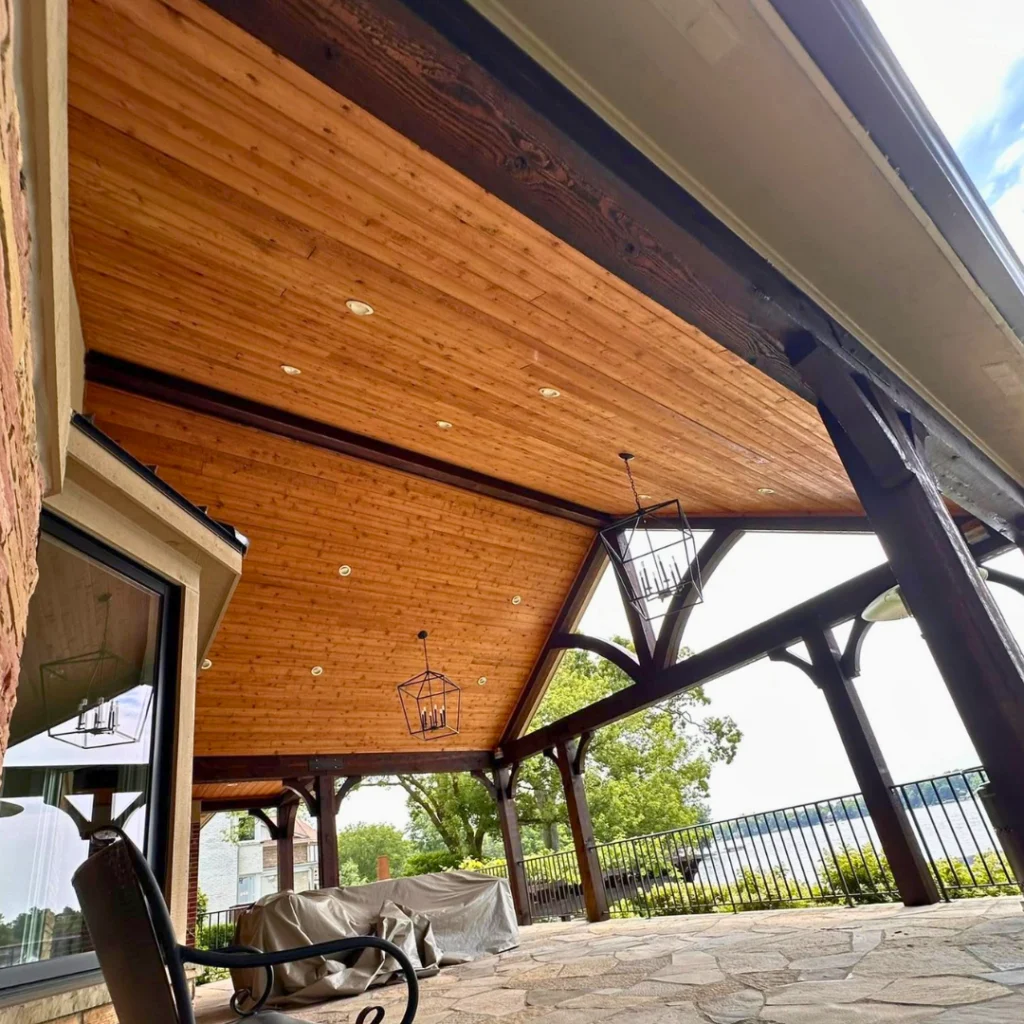
Sugar House is one of the city’s oldest streetcar suburbs, settled in 1853 and built out along the 1100 East line. The housing sequence runs late Victorian (mostly 1900 to 1910), bungalows (1910 to 1930), Tudors (1920 to 1940), then post-WWII ranch and rambler homes. Brick dominates, so the paintable exterior is mostly wood: porch columns and ceilings, eaves, rafter tails, window sash and the stucco and timber panels on Tudors.
Each era fails differently. Bungalow eaves and porch ceilings peel from moisture; Tudor stucco hairlines and half-timber joints open up; rambler soffits and fascia chalk in the sun. We scope the house by its parts rather than quoting one square-foot number.
Nearly everything here predates 1978, so we work lead-safe on original trim as a matter of course, and we leave never-painted brick bare.
House painters in Sugar House who know plaster
A lot of our Sugar House work is inside. Bungalows and Tudors here still have original lath-and-plaster walls, coved ceilings, picture rail and wide fir or oak trim that was painted over decades ago. Plaster cracks along the lath, old patches telegraph through, and glossy oil trim rejects new paint unless it’s properly sanded and primed.
We repair plaster with setting compound and mesh rather than a smear of spackle, skim where needed, and use bonding primers on old enamel so your new trim coat sticks. In post-war ranches the work shifts to textured drywall, acoustic ceilings and small rooms that benefit from a careful sheen choice.
Original cabinets in a 1950s rambler respond well to cabinet refinishing, and we schedule it alongside the walls. See our interior painting page for the full process.
Forest Dale, Highland Park and the business district
Two National Register historic districts sit inside Sugar House: Forest Dale, listed in 2009 with its tree-lined streets and uniform setbacks, and Highland Park, listed in 1998 and developed from 1910 into the 1940s south of Parleys Creek. Neither carries a city historic overlay, so there’s no design review of colors or exterior changes. Owners choose their own palettes.
Around 2100 South and 1100 East, the neighborhood’s “second downtown,” the work is different: storefronts, restaurant interiors, mid-rise apartment common areas and the 1,400-plus new homes added in recent years. Our commercial painting crew handles those, often after hours.
The mature canopy that makes Sugar House pleasant also shades north walls, which hold mildew and dry slowly, and drops sap on siding. We wash and treat before we paint.
Thinking about a project in Sugar House? Get a clear, written proposal from a local crew.
Why Sugar House homeowners choose Met House Painters
We’re locally owned and operated, not a franchise, and Sugar House is one of the neighborhoods we visit most. Homeowners here tell us they appreciate:
- Era-specific prep. A 1920s bungalow, a Tudor and a 1950s rambler are three different jobs, and we treat them that way.
- Real plaster repair instead of quick patches that crack again by spring.
- Lead-safe practices on pre-1978 trim, inside and out.
- Licensed and insured, with clean crews who protect hardwood floors and garden beds.
- Both sides of the street. We paint houses and the small apartment buildings and storefronts between them.
Our Millcreek and Liberty Wells pages cover the neighborhoods just south and north.
What a Sugar House project looks like
We begin with a free consultation at your home and listen to what’s bothering you before we start pointing at things. Then we write a scope that spells out prep, repairs, products and coats room by room or elevation by elevation.
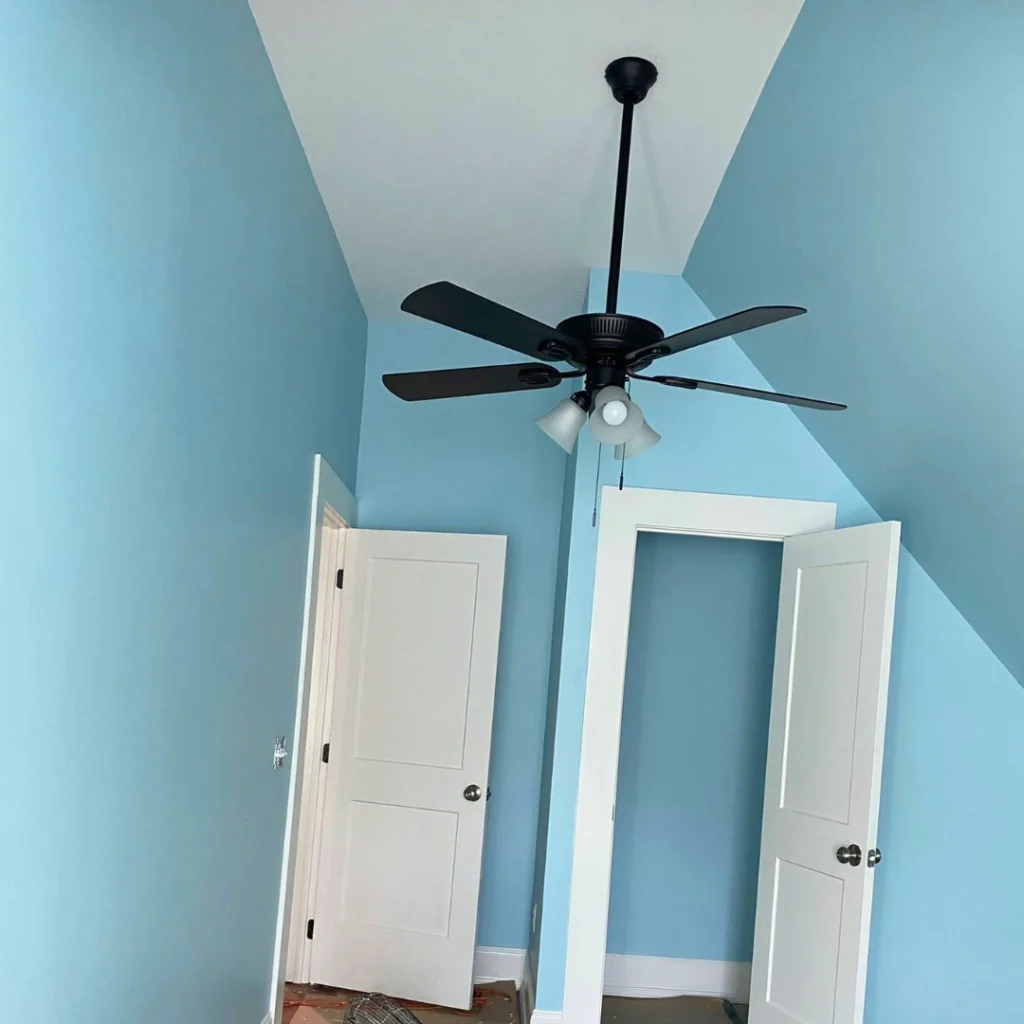
Exterior projects run in the dry season: wash, scrape, sand, repair, prime, caulk and two coats of premium acrylic, brushed on trim. Interior projects run year-round, with floors protected, plaster and trim prepped properly, and low-odor paints so the house stays livable.
We finish every job with a walk-through and fix what you flag. Most Sugar House exteriors take about a week; interiors depend on how many rooms and how much trim.
Frequently asked questions
Can you repaint the half-timber and stucco on my Tudor?
Yes. We clean and patch hairline cracks in the stucco, re-caulk where the timber meets the stucco, and use a breathable acrylic on the stucco and a brushed enamel on the timbers. Sealed joints are what keep water from getting behind the panels.
My bungalow has plaster walls with cracks. Will new paint hide them?
Not on its own. We open cracks slightly, repair with setting compound and mesh tape, skim to blend, and prime before painting. That takes longer than spackle but stays put through the house’s seasonal movement.
Does living in Forest Dale or Highland Park restrict my colors?
No. Both are National Register districts without a city historic overlay, so there’s no design or color review. We help owners choose period-suitable colors if they want them.
Why does the north side of my house peel faster than the south?
In Sugar House it’s usually the tree canopy. Shaded north walls stay damp, grow mildew and dry slowly, while sunny south and west sides fade and chalk instead.
Do you paint the apartments and shops near 2100 South?
We do. Mid-rise common areas, unit turnovers, storefronts and restaurant interiors along 2100 South and 1100 East are regular work for our commercial crew, typically scheduled after hours.
Also serving nearby neighborhoods
Have a Sugar House home that needs paint?
Call (385) 469-5010 or request a free consultation and we’ll come by after work if that’s easier.